

TMJ Disorders and Migraine Treatment at White Oak Dental in SE Calgary

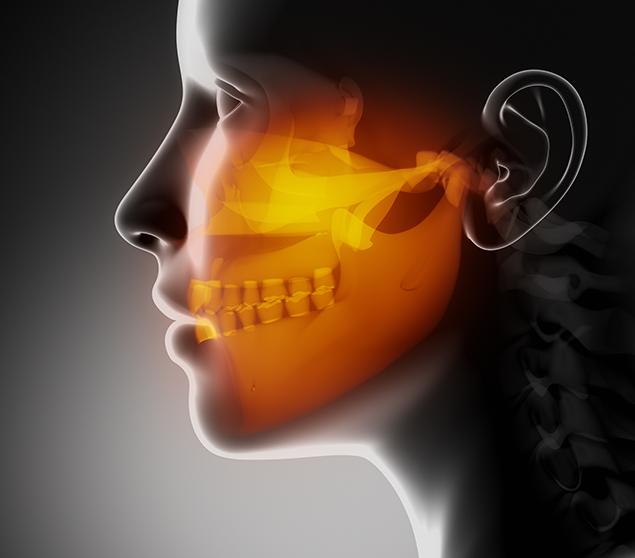
White Oak Dental offers assessment and care for temporomandibular joint (TMJ) disorders and jaw-related concerns that may contribute to discomfort in the head, face, neck, and jaw. The temporomandibular joints allow the mouth to open and close and support speaking, chewing, and swallowing.

When these joints or the surrounding muscles are not functioning as intended, a variety of symptoms may occur. Evaluation focuses on understanding jaw function and how dental and muscular factors may be contributing.

Understanding TMJ Disorders

The temporomandibular joints are part of a complex system involving muscles, ligaments, bones, and teeth that work together to support jaw movement. Because this system is interconnected, changes or strain in one area may contribute to symptoms elsewhere.

TMJ-related concerns may be associated with symptoms such as:

  • Clicking or popping sounds in the jaw
  • Jaw stiffness or limited movement
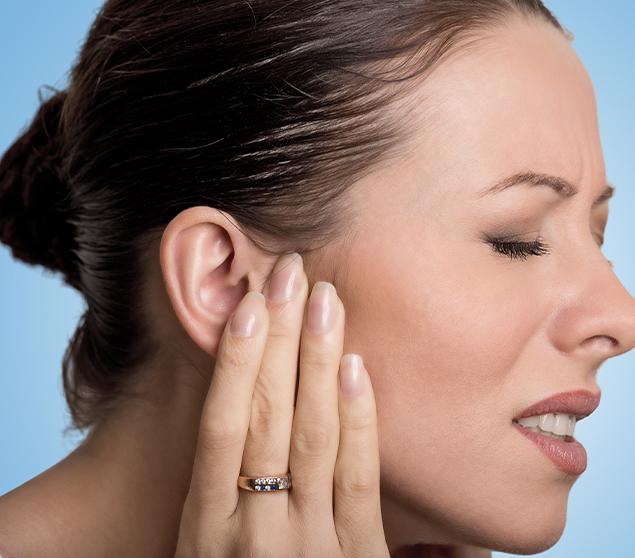
  • Facial or jaw discomfort
  • Headaches
  • Neck or shoulder tension
  • Ringing in the ears

Symptoms vary between individuals, and a clinical assessment is required to determine whether TMJ-related care may be appropriate.

Factors That May Contribute to TMJ Concerns

A number of factors may contribute to TMJ disorders and jaw dysfunction. These may include:

  • Trauma to the face or jaw
  • Whiplash or injury
  • Postural strain
  • An uneven bite or malocclusion, where the teeth are not properly supporting the jaw
  • Missing teeth
  • Misaligned teeth
  • Back teeth that are worn or too short

When TMJ concerns persist over time, the body may begin to compensate by involving muscles in other areas such as the neck, throat, shoulders, and upper back. Evaluation focuses on identifying contributing factors and understanding how they may interact.

Muscle Compensation and Migraine-Related Care

In some patients, prolonged jaw dysfunction and muscle compensation may be associated with head, neck, or facial discomfort. As part of a comprehensive assessment, jaw function and muscle involvement may be evaluated to determine whether dental or muscular factors could be contributing to symptoms.

In select adult cases, prescription injectable medication may be discussed as part of migraine-related care for patients who have been diagnosed with chronic migraines by a medical provider. This option is considered when clinically appropriate and in accordance with established medical guidelines. Not all patients are candidates, and suitability is determined on an individual basis.

When migraine-related treatment options are discussed, expectations, limitations, and alternative approaches are reviewed so patients can make informed decisions about their care.

An Individualized Approach to TMJ Disorders and Migraine Treatment

Care for TMJ disorders and migraine-related concerns begins with listening, assessment, and discussion. Our team takes time to review symptoms, evaluate jaw function, and explain how dental and muscular factors may be contributing.

When treatment options are discussed, recommendations are explained clearly, along with limitations and alternatives. The goal is to support informed decision-making and care that aligns with each patient’s needs and overall oral health.


inner-cta-img

Ready to Book Your TMJ Disorders & Treatment for Migraines Appointment?

If you are looking for a family dentist in SE Calgary who values comfort, communication, and personalized care, our team is here to help. Call White Oak Dental at (403) 249-0303 or request your appointment online. We look forward to welcoming you to our clinic.